Understanding Eutrophication
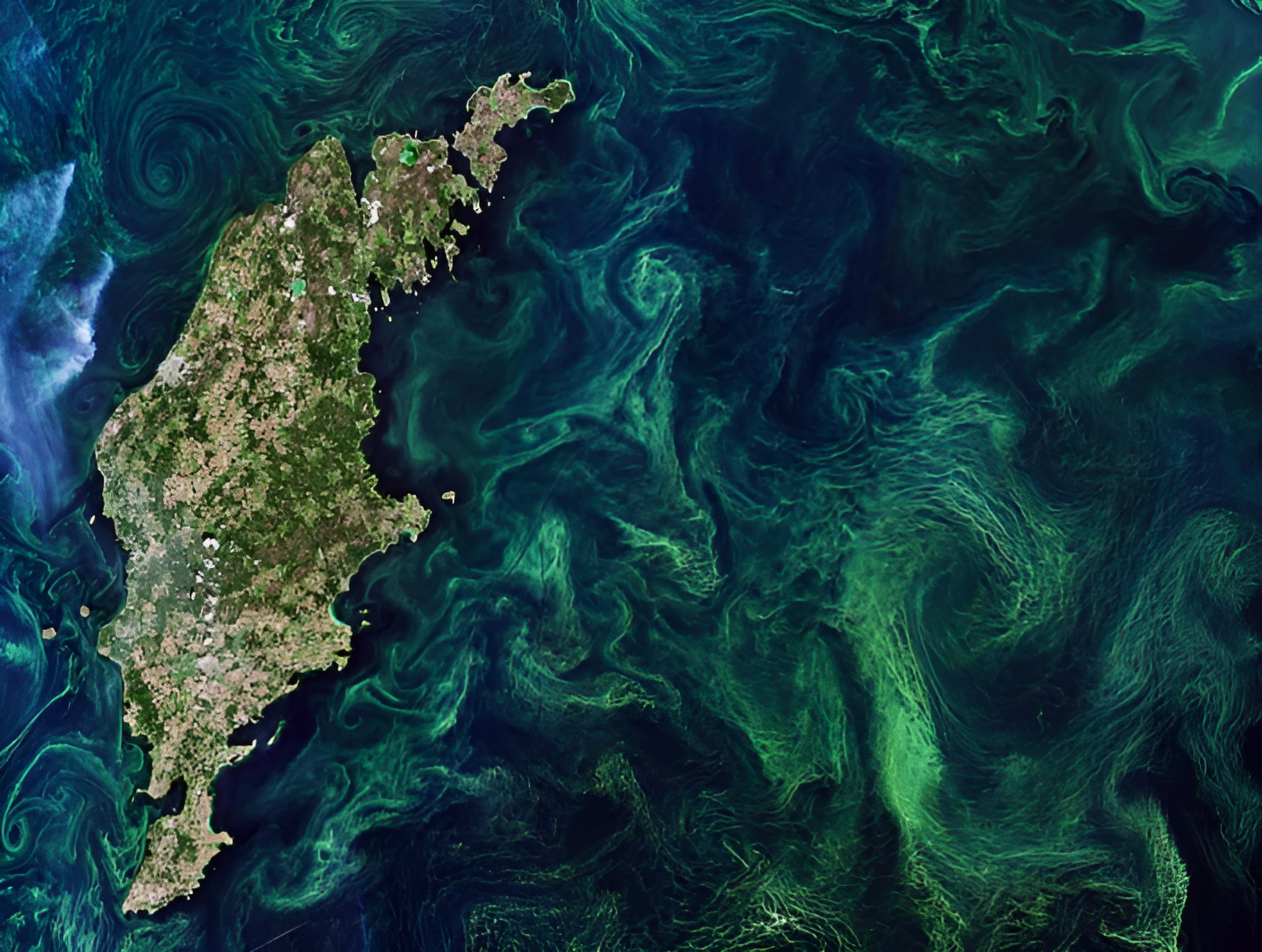
Eutrophication is a process where water bodies become overly enriched with minerals and nutrients, particularly nitrogen and phosphorus. This nutrient overload acts like fertilizer for aquatic plants, triggering rapid, uncontrolled growth known as algal blooms.
While algae are natural, these massive blooms disrupt the delicate balance of the ecosystem. They turn clear water into a thick, green soup that blocks sunlight and eventually destroys the habitat for other aquatic life.
The Cycle of Destruction: How a Dead Zone Forms
Nutrient Load
Excess Nitrogen & Phosphorus enter water from runoff.
Algal Bloom
Algae grow explosively, covering the surface & blocking sun.
Decomposition
Algae die and sink. Bacteria consume them, using up all oxygen.
Hypoxia
Oxygen levels drop to zero. Fish die or flee. A "Dead Zone" is born.
Primary Causes
Fertilizers rich in nitrates wash off farm fields into nearby rivers during rainstorms.
Untreated or partially treated wastewater releases phosphates from detergents and human waste.
Factories may discharge nutrient-rich waste directly into waterways without proper filtration.
Our Mission
ChitoNet is dedicated to preserving aquatic ecosystems through innovative IoT technology and real-time monitoring solutions.
We believe that technology can be a powerful force for environmental protection. By combining affordable hardware, cloud connectivity, and intelligent data analysis, ChitoNet provides researchers, environmentalists, and communities with the tools they need to monitor water quality continuously.
Our system enables early detection of eutrophication indicators, allowing for timely intervention before algal blooms cause significant ecological damage. Through real-time telemetry and data visualization, we empower stakeholders to make informed decisions about water resource management.
ChitoNet represents our commitment to sustainable technology—affordable, accessible, and designed with the environment in mind. Together, we can protect our water bodies for future generations.
Real-Time Monitoring
24/7 continuous water quality monitoring with instant alerts
Early Detection
Identify eutrophication signs before they become critical
Sustainable Solution
Eco-friendly chitosan-based prevention technology